Conditions and services
Hernia surgery
A hernia is a bulge of tissue through a weak spot in the muscle or tissue that normally holds it in. Dr. Toomari evaluates and repairs groin, umbilical, ventral, incisional and recurrent hernias. This page is an overview; detailed hernia guides are on our specialty website, LA Hernia Center.
Last reviewed: November 20, 2026, by Dr. Nojan Toomari, DO, FACS
What a hernia is
A hernia happens when fat or part of an organ, such as the intestine, pushes through a weak area in the muscle or connective tissue of the abdominal wall. It often shows up as a bulge that may be more noticeable when you stand, cough or strain, and may flatten when you lie down.
Types of hernias we treat
- Inguinal and femoral (groin) hernias: in the groin or upper thigh. Inguinal hernias are the most common type.
- Umbilical hernias: at or near the belly button.
- Ventral and epigastric hernias: in the front of the abdominal wall, often along the midline.
- Incisional hernias: at the site of a previous surgical incision.
- Spigelian hernias: an uncommon hernia along the side of the abdominal muscles, which can be hard to feel on exam.
- Hernias in women: groin hernias in women can be harder to recognize and are sometimes mistaken for other causes of pelvic or groin pain.
- Recurrent hernias: a hernia that returns after a previous repair.
Hiatal hernias, where the stomach moves up into the chest, are a different condition and are covered on our hiatal hernia and reflux page.
Symptoms and evaluation
Common symptoms include a bulge, an aching or heavy feeling, or discomfort that is worse with lifting, coughing or long periods of standing. Some hernias cause no symptoms. A physical exam is usually the best way to diagnose a hernia; an ultrasound or CT scan may help when the exam is unclear or to plan repair.
Treatment options
Hernias do not heal on their own and tend to get larger over time. Some small hernias with few or no symptoms can be watched, because surgery has its own risks. Repair is generally recommended for hernias that cause symptoms, are growing, or are at risk of trapping intestine.
Hernias are repaired with open surgery or with minimally invasive surgery (laparoscopic or robotic-assisted). Many repairs use mesh to reinforce the weak area. The right approach depends on the type, size and location of the hernia, prior surgery and your health. In robotic-assisted surgery, the surgeon controls the instruments at all times.
Risks and recovery
Risks of hernia repair include bleeding, infection, fluid collection (seroma), injury to nearby structures, ongoing pain, problems related to mesh, recurrence of the hernia, and risks of anesthesia. Most robotic hernia repairs are outpatient procedures, so you usually go home the same day. Full recovery takes about 8 weeks; your lifting and activity limits depend on your repair, and Dr. Toomari will go over them with you. LA Hernia Center has detailed recovery guides.
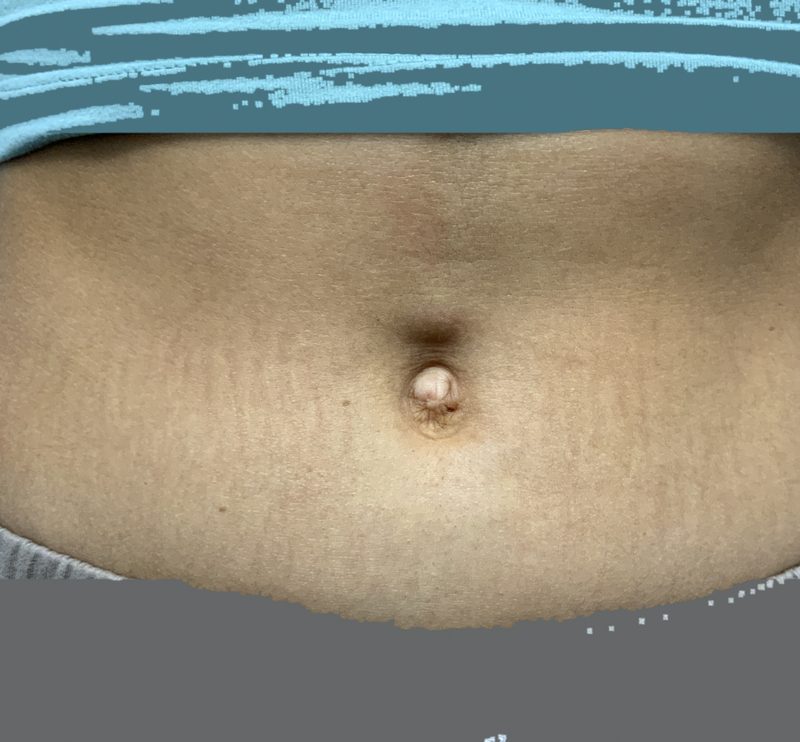
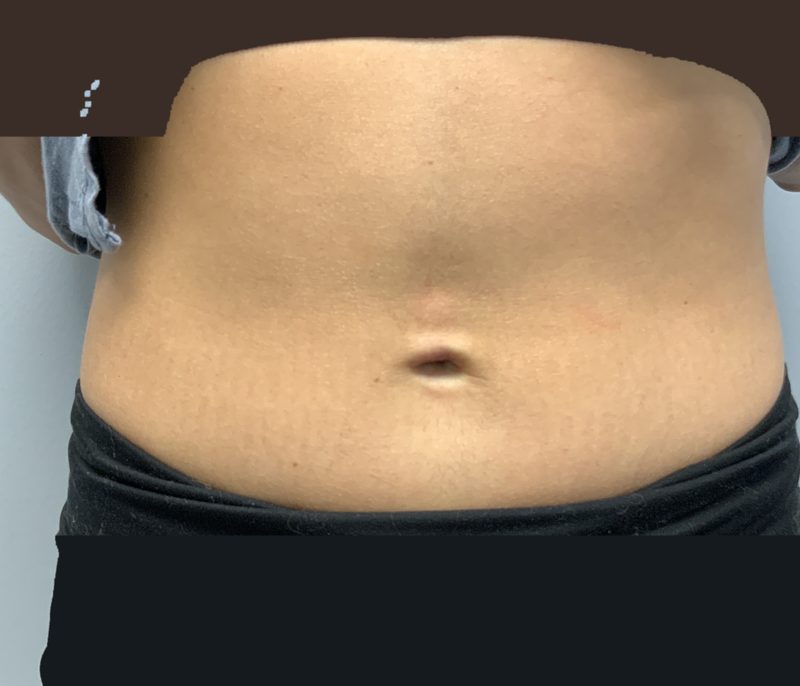
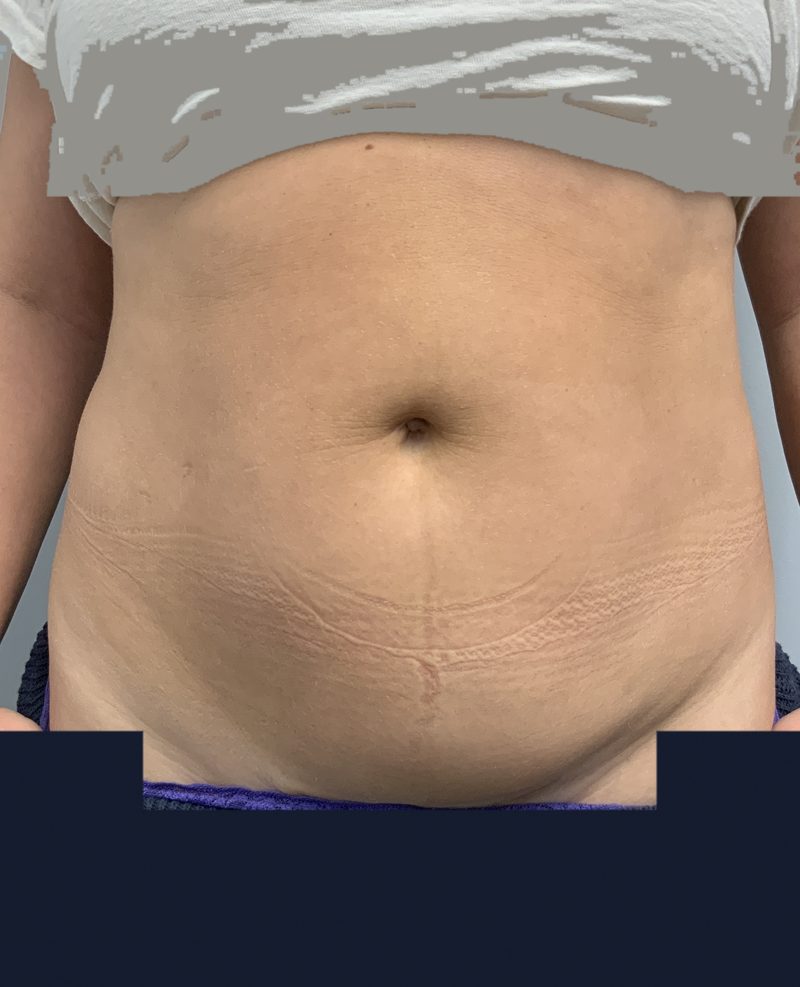
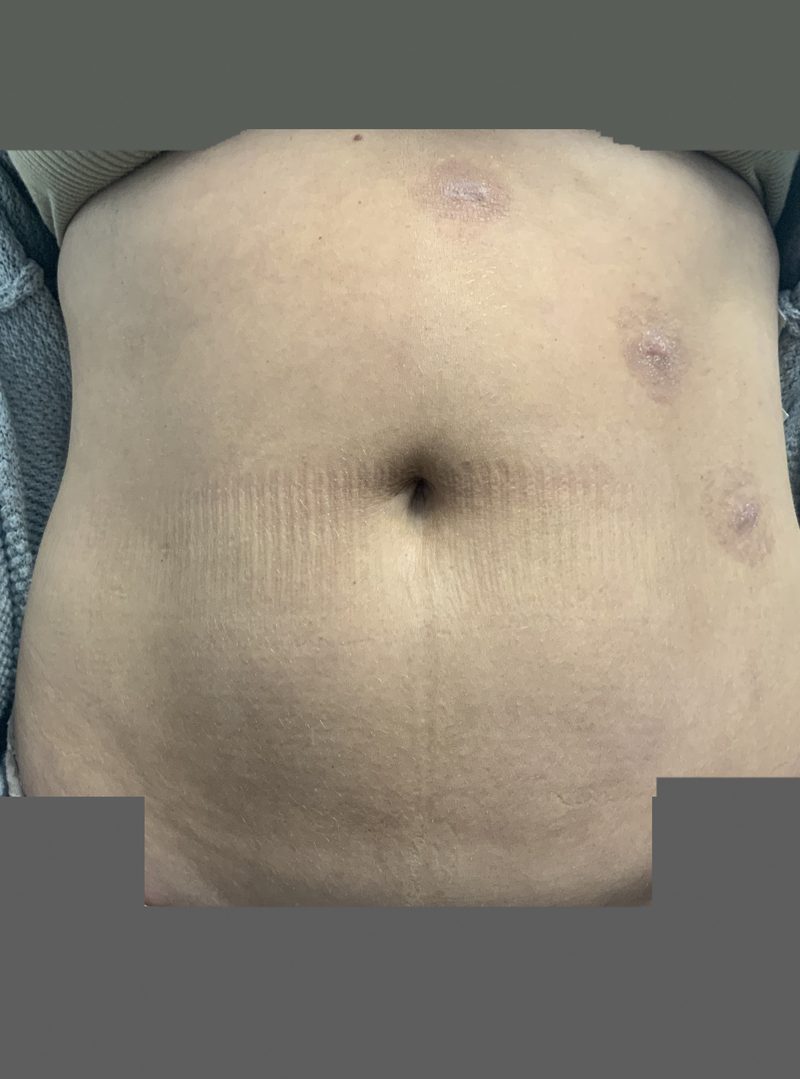
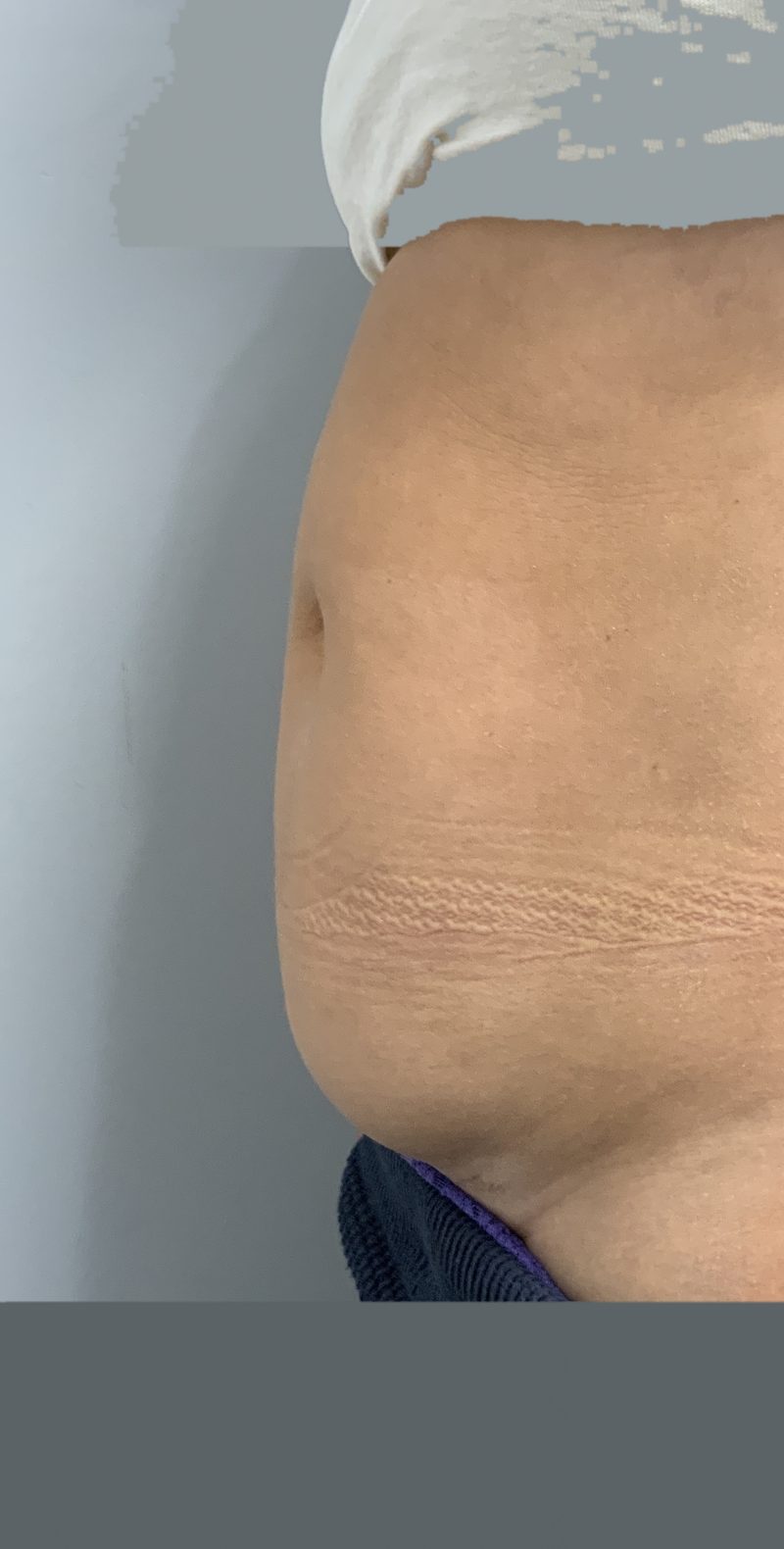
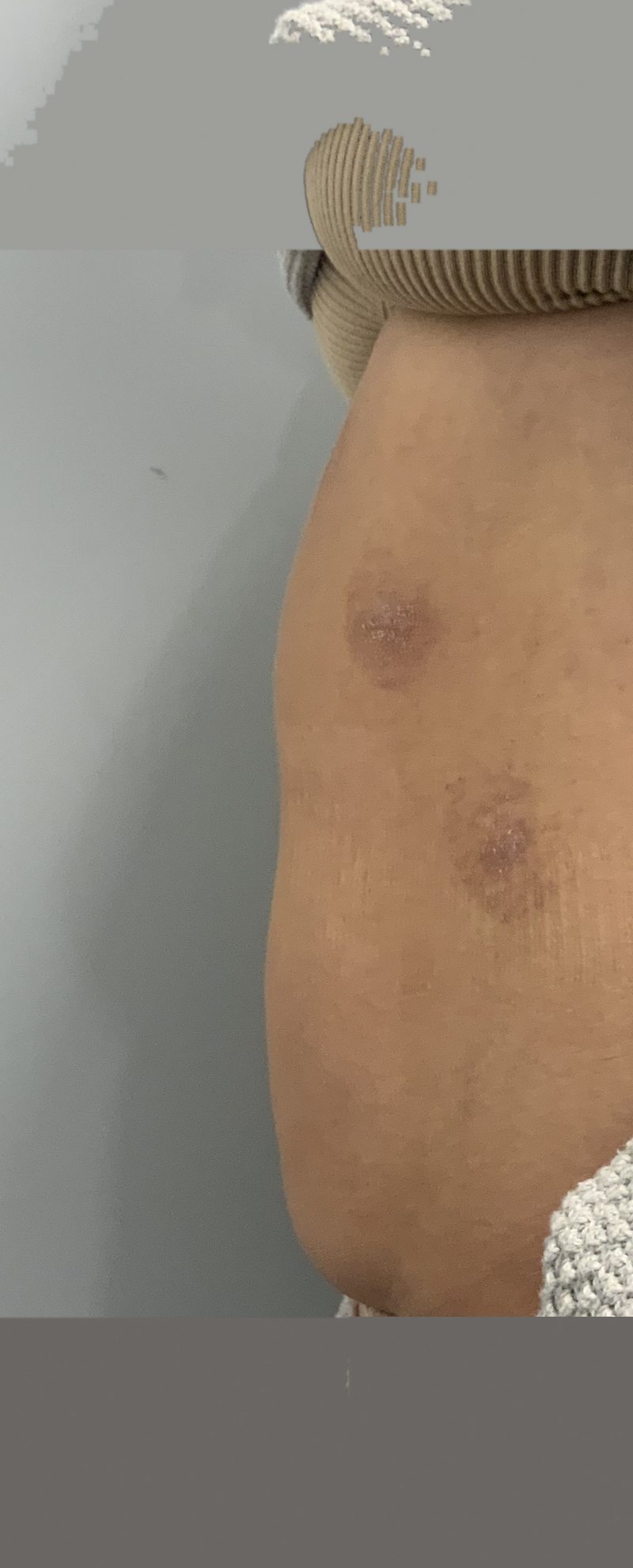
Before and after
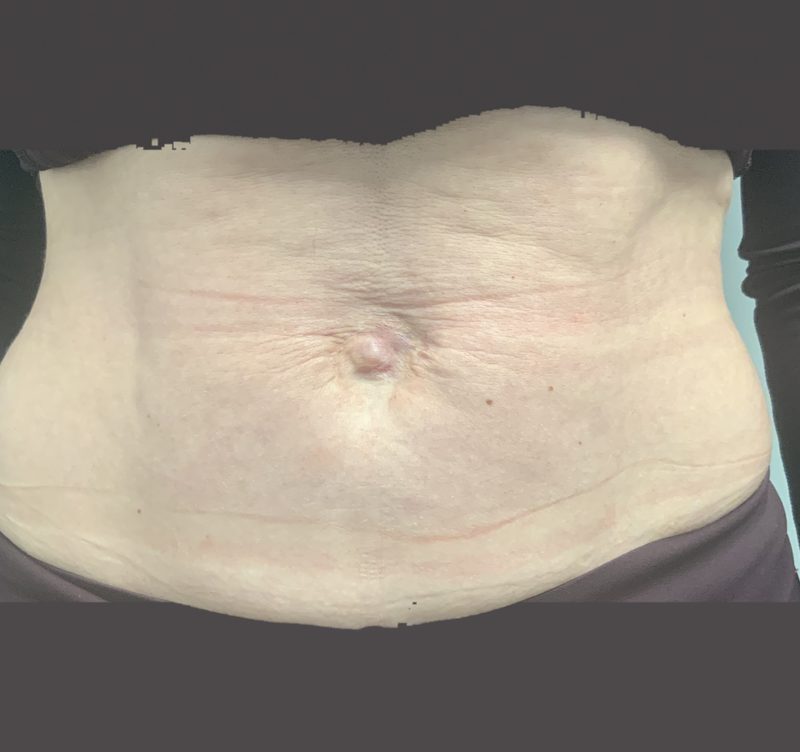
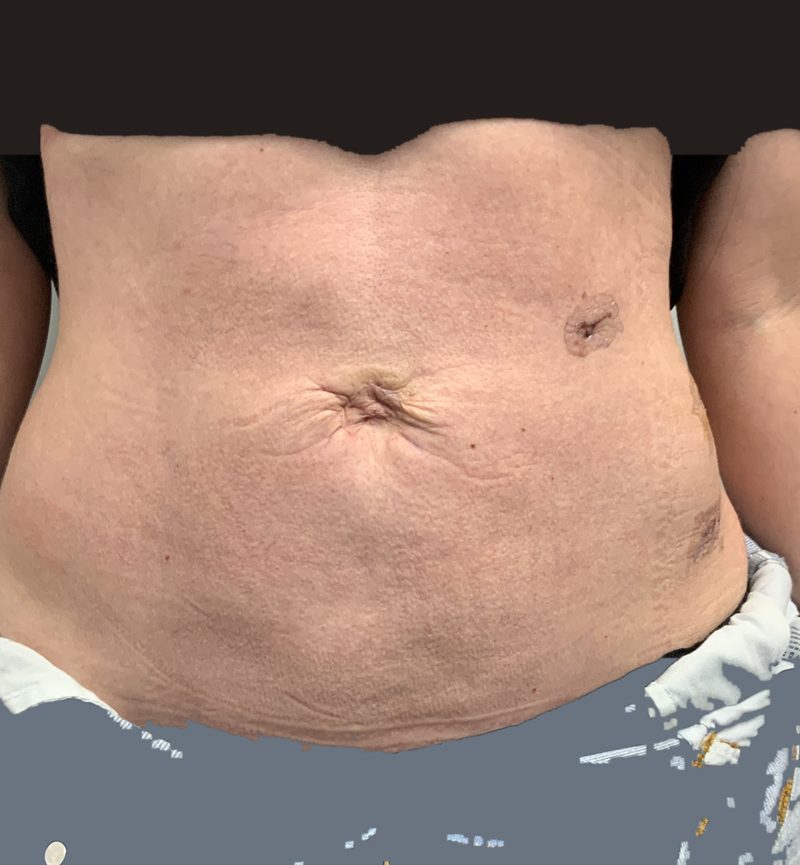
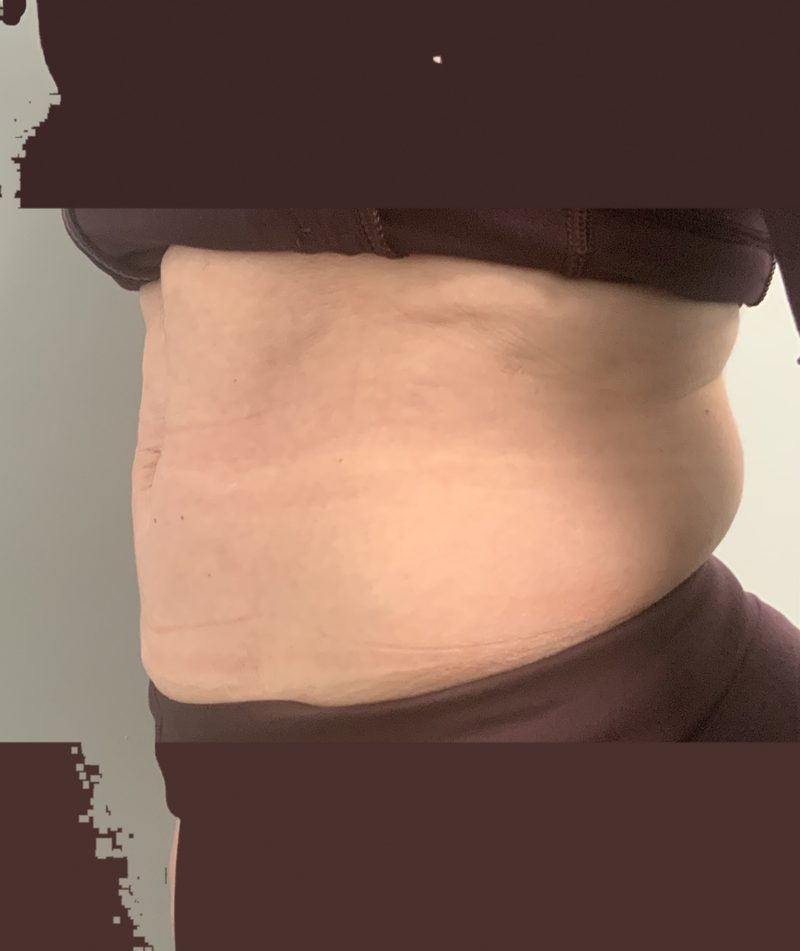
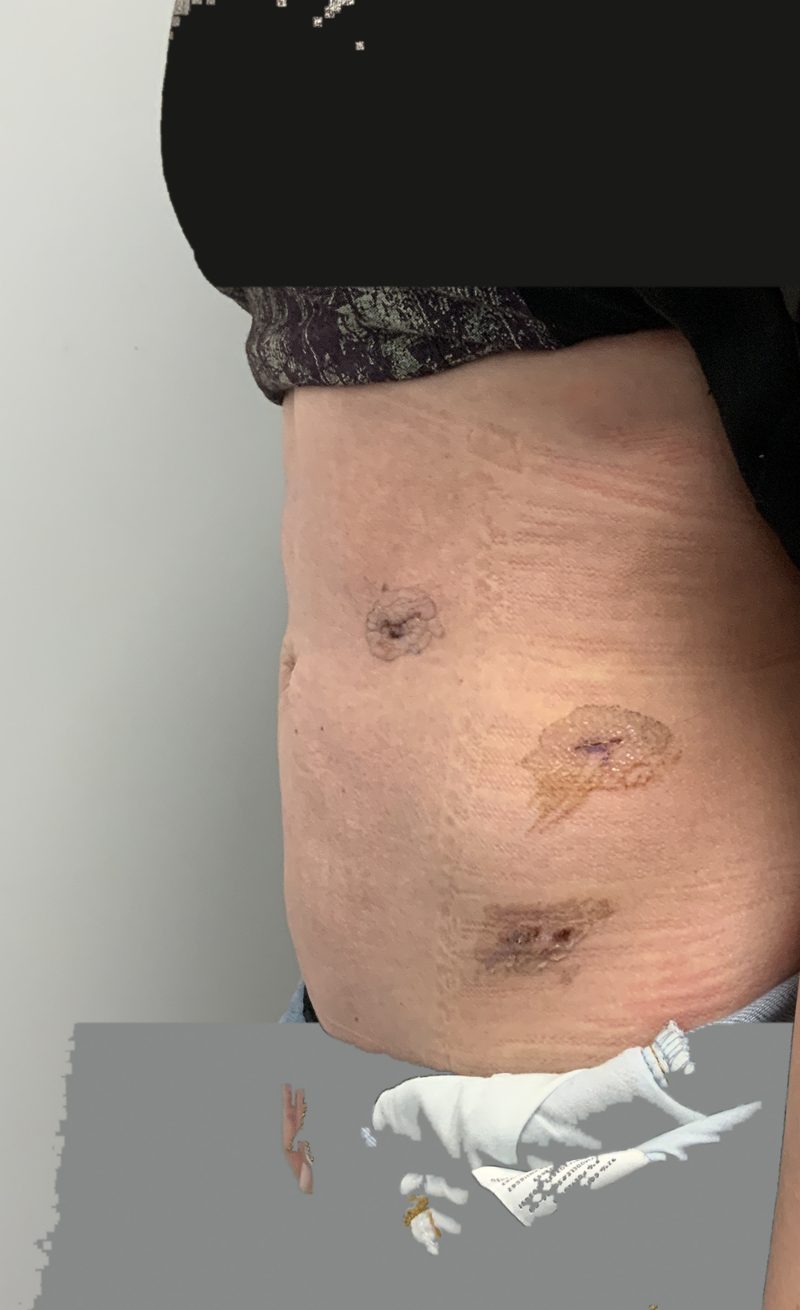
Results vary. These photos are examples from patients who consented to website use, not a promise of a particular result. Individual results depend on the type of hernia, the repair, and your health.
Minimally invasive umbilical hernia repair
Open umbilical hernia repair
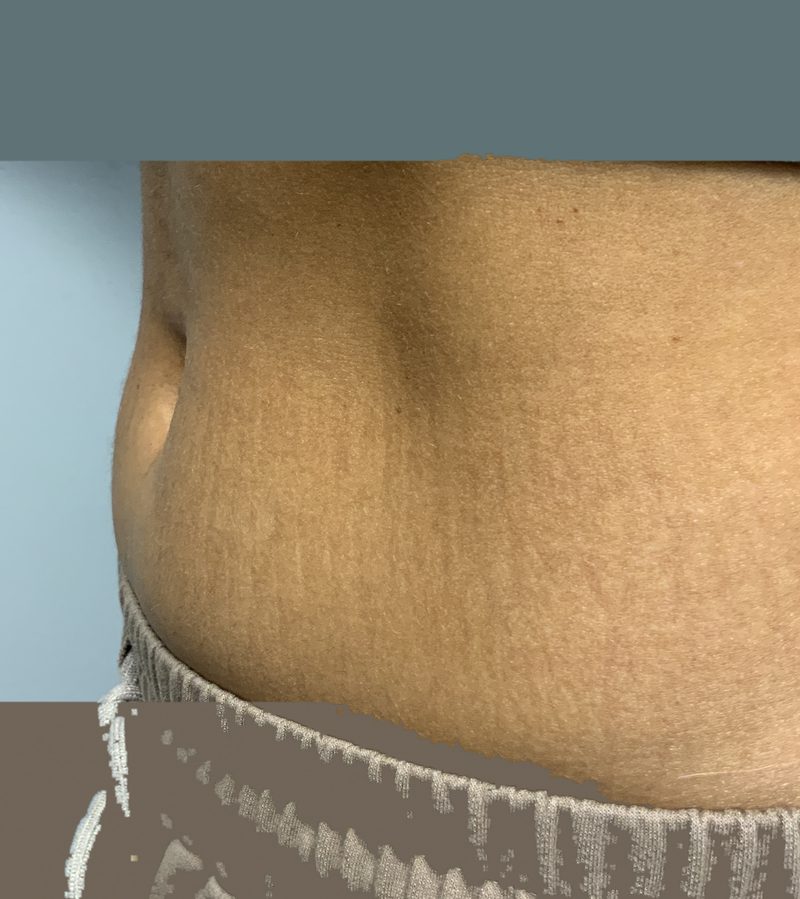
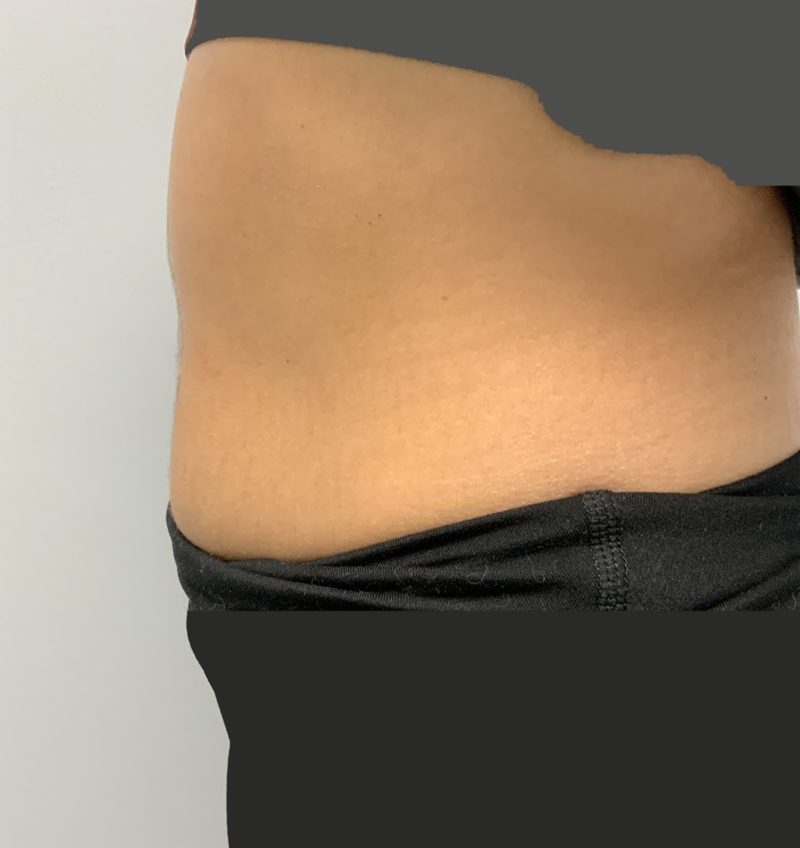
Incisional hernia and diastasis repair
When to seek urgent care
Seek care right away, or call 911, if a hernia becomes painful, firm or tender and you cannot push it back in, or if it turns red, purple or dark, or you have nausea, vomiting, or cannot pass gas or have a bowel movement. These can be signs that the intestine is trapped (incarcerated) or its blood supply is cut off (strangulated), which needs emergency treatment.
In-depth hernia education
LA Hernia Center: our hernia specialty website
Detailed guides on each hernia type, repair approaches (open, laparoscopic, robotic, mesh placement), preparing for surgery and recovery are published on LAHerniaCenter.com. Care is provided by Dr. Nojan Toomari, DO, FACS, at this Encino office.
To schedule a hernia evaluation, call (818) 570‑1845 or request a callback.
Frequently asked questions
Will a hernia go away on its own?
No. A hernia does not heal by itself, and many get larger over time. Some small hernias that cause few or no symptoms can be watched, which is a decision made with your surgeon after an exam.
Is mesh always used?
Not always. Mesh is commonly used to reinforce many hernia repairs, but the choice depends on the type and size of the hernia and your health. Dr. Toomari will explain whether he recommends mesh and where it would be placed.
Why are the detailed hernia pages on a different website?
LA Hernia Center (LAHerniaCenter.com) is the hernia and abdominal wall specialty website of Toomari Surgery. It holds our in-depth hernia education so it lives in one place. Care is provided by Dr. Toomari at this same Encino office.
In-depth hernia guides on LA Hernia Center
References
- MedlinePlus (U.S. National Library of Medicine). Hernia. Accessed November 19, 2026.
- MedlinePlus (U.S. National Library of Medicine). Femoral hernia. Accessed November 19, 2026.
- MedlinePlus (U.S. National Library of Medicine). Umbilical hernia repair. Accessed November 19, 2026.
- Society of American Gastrointestinal and Endoscopic Surgeons (SAGES). Ventral hernia repair surgery. Accessed November 19, 2026.
References are general patient-education sources from public health agencies and professional societies. They support the general statements on this page and are not a substitute for an individual evaluation.
General education, not medical advice. This page describes common approaches and is not individual medical advice. Whether surgery is appropriate, and which approach, depends on an examination and your own health. Please follow the individualized instructions of your treating clinician.
Last reviewed: November 20, 2026, by Dr. Nojan Toomari, DO, FACS
Talk with our office
Call during office hours, or send a short callback request and a member of our staff will contact you during business hours.
In an emergency, call 911
Online forms and email are not for emergencies and are not monitored as emergency channels. For severe, urgent or life-threatening symptoms, call 911 or go to the nearest emergency department.